- Joshua's Newsletter
- Posts
- 🧠 Brain Chips Are Coming (And Not Just in Sci-Fi)
🧠 Brain Chips Are Coming (And Not Just in Sci-Fi)
You’ve heard the hype. You’ve seen the tweets. Maybe you’ve even joked about it, “just install the brain chip already.”Well... it’s happening.

Joshua Simpson
July 08, 2025
BUT FIRST…
In 1962, NASA’s Mariner 1 space probe was destroyed mid-launch because of a missing hyphen in its guidance software. Total loss: $125 million. The New York Times called it “the most expensive hyphen in history.”
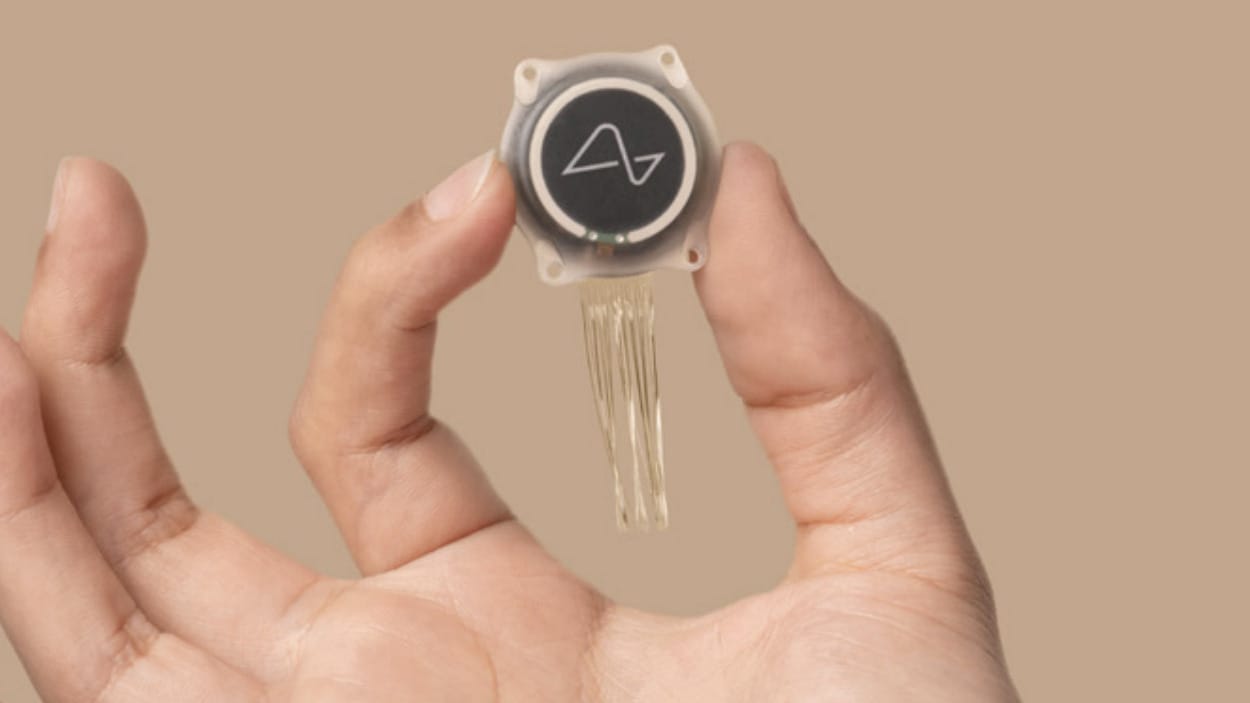
Neural implants (aka brain chips if you’re feeling less clinical) are no longer sci-fi. They’re FDA-approved, entering human trials, and slowly creeping into real life , starting with people who are paralyzed… but definitely not stopping there.
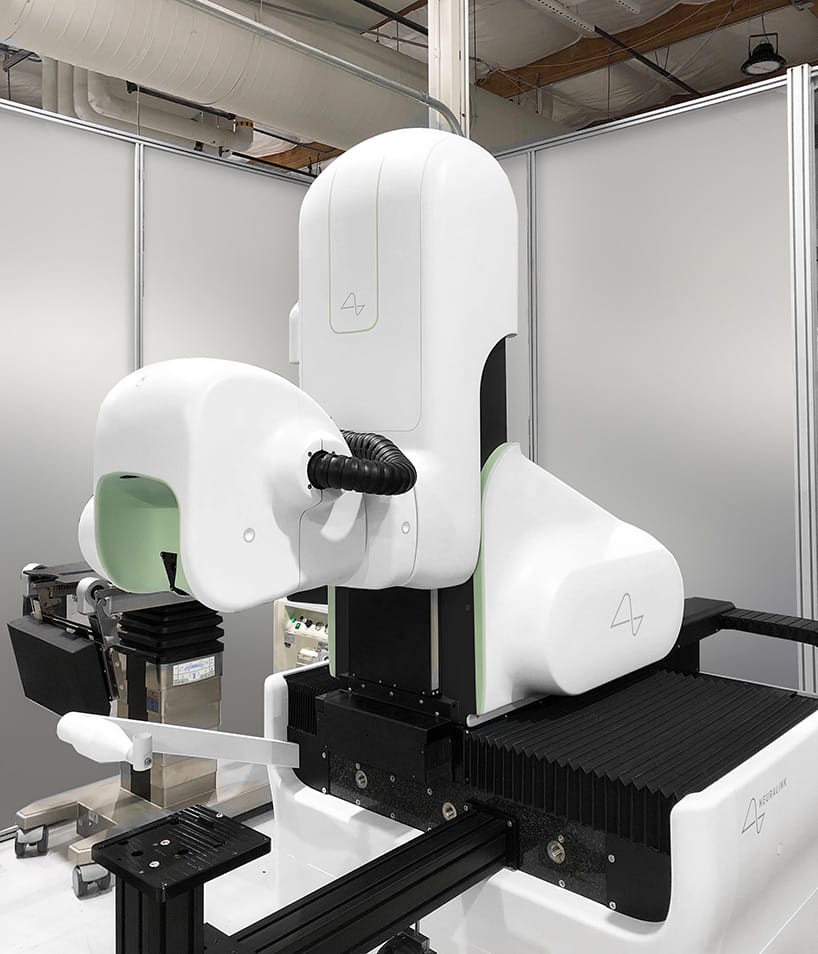
Surgical Robot used to implant Neuralink
⚡ The Wild Part: It’s Not Just About Health
Let’s break this down.
Imagine pressing a button on your phone and instantly feeling joy. Or satisfaction. Or… yeah, that kind of pleasure.
With brain interfaces targeting your dopamine centers, sexual pleasure circuits, and even emotional triggers, it’s not just about restoring motor function. It’s about hacking your brain’s reward system. And that’s going to change everything.
✅ The Good Stuff
Paralyzed people might walk again
Blindness? Already being worked on
Typing with your mind? We’re already doing that in small-scale trials
Mental illness treatment could become more precise and personalized
Instant communication (brain-to-brain, no speaking)
⚠️ The Dark Side
Dopamine on demand = laziness and addiction like we’ve never seen
Sexual pleasure apps are 100% going to exist
Privacy is dead — if your thoughts can be accessed, what happens when advertisers or governments get a peek?
Drug use may plummet — but only because your new dealer is an app
Digital class warfare — chipped vs. unchipped. Who gets the upgrade?
📢 Real Talk
Elon’s Neuralink just got FDA approval for human trials.
Synchron, a rival company, already has people using implants to text with their thoughts.
The military? DARPA has been experimenting with this for over a decade.
This isn’t the future. This is version 0.1 of what’s about to go mainstream.
🧍♂️ Real Stories, Real Impact
As much as the idea of pleasure-on-demand or mind control grabs headlines, the truth is: neural implants have already helped people in powerful, life-changing ways.
Here are a few facts worth knowing:
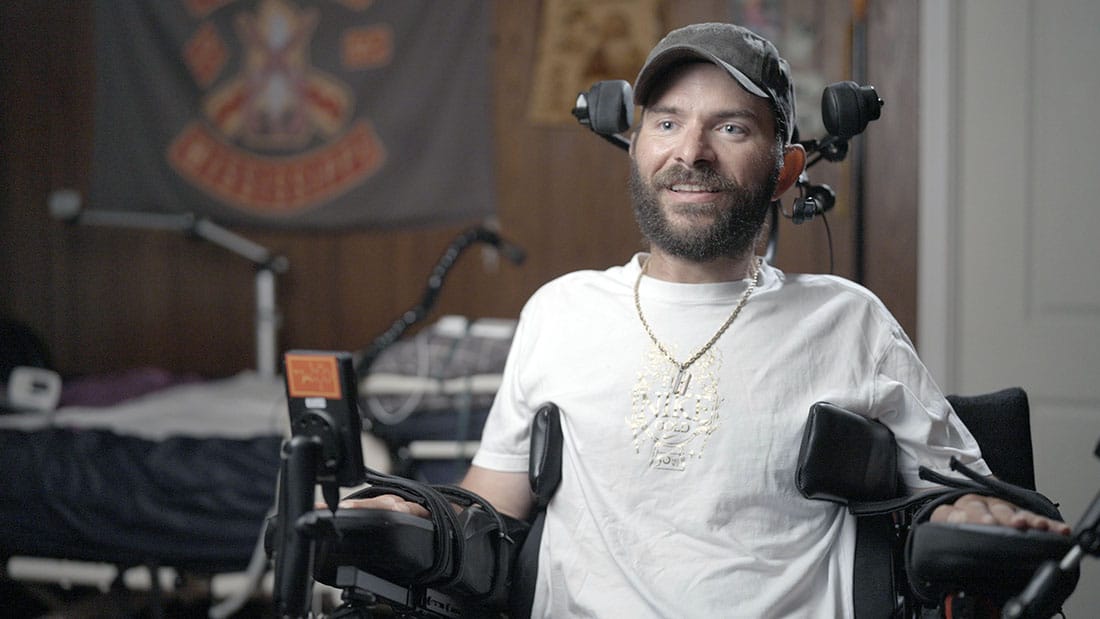
🧑🦽 Paralyzed man uses Neuralink to move a cursor with his thoughts.
In early 2024, a patient implanted with Neuralink’s chip successfully controlled a computer with just brain signals. No hands. No movement. Just thought.🧠 Synchron’s implant helped a man with ALS send emails and browse the web — using his mind.
He couldn’t speak or move. The chip gave him his digital voice back.👀 Brain implants have restored partial vision to blind individuals in experimental trials.
Researchers are building devices that directly stimulate the visual cortex, bypassing damaged eyes completely.
These aren’t future predictions these are happening now. Quietly. Successfully.
🧠 Final Thought
Yes, brain chips bring risk. Addiction. Inequality. Dystopia, maybe.
But they’re also giving people a second chance at life — to speak, to move, to connect.
That’s the part worth remembering.
Reply