- Joshua's Newsletter
- Posts
- 🎮 How Streaming & Digital Games Really Work
🎮 How Streaming & Digital Games Really Work
And why gamers are saying: “Stop killing games.”
Joshua Simpson
July 30, 2025
Hey friends,
We’ve entered the age of instant entertainment. One click, and boom you’re watching a movie or playing a game. No disc, no download delay (usually), no fuss.
But beneath the surface is a wild network of tech, contracts, data centers and growing questions about who actually owns the stuff you buy.
Let’s peel back the layers.
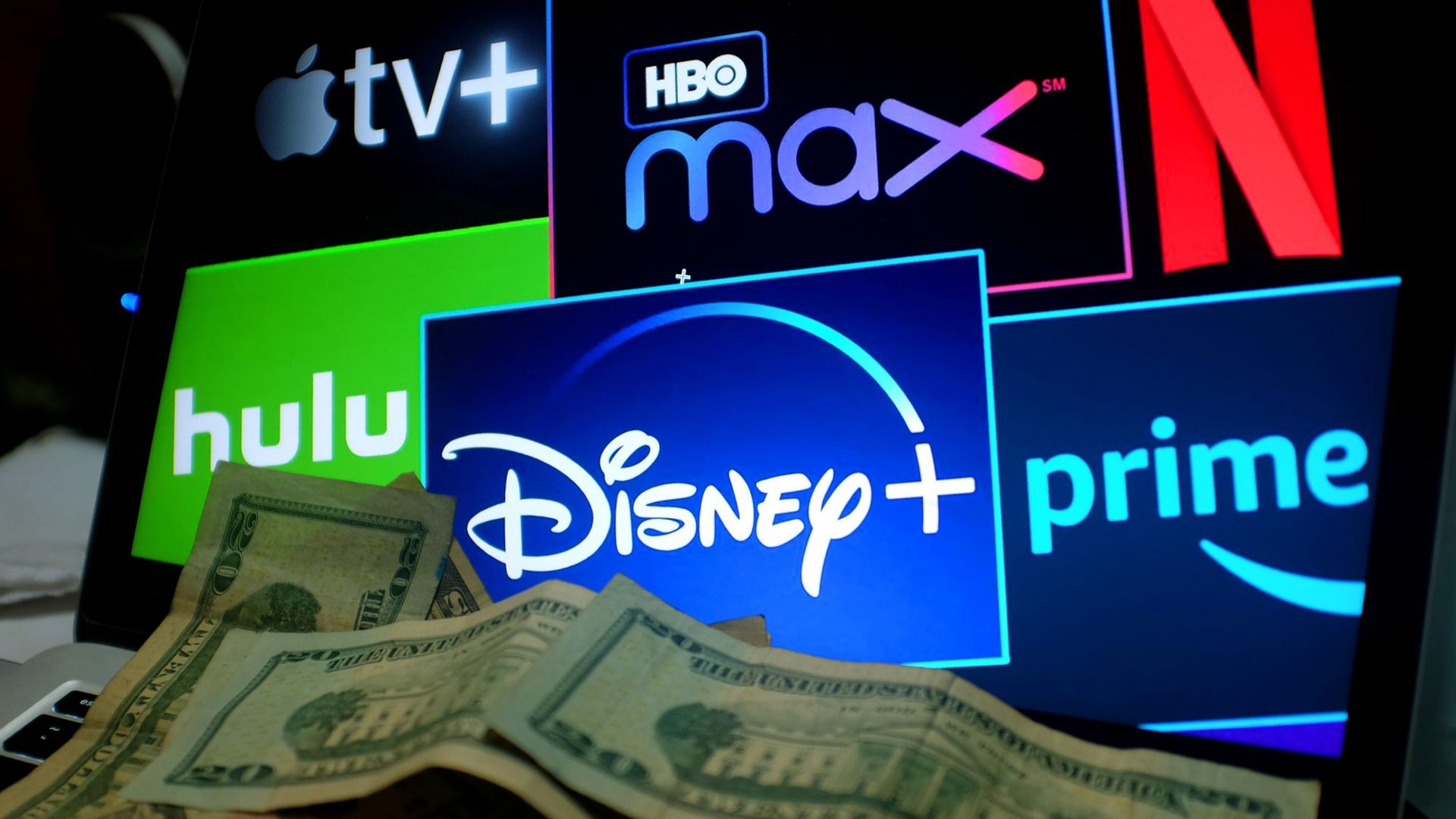
📺 How Streaming Movies Actually Works
When you hit Play on Netflix or Hulu, here’s what’s happening:
🌍 Global Mirror System
These platforms use Content Delivery Networks (CDNs) basically, hundreds (or thousands) of servers around the world, each storing copies of popular content. When you watch something, it’s streamed from the nearest server to reduce lag.
📦 Adaptive Streaming
Movies are split into chunks and streamed based on your internet speed. If your Wi-Fi dips, the quality auto-drops to prevent buffering.
🧠 Smart Preloading
Some platforms (like YouTube and Netflix) predict what you’ll click next and start loading it before you even press play. Creepy? Yes. Effective? Also yes
🎮 How Digital Games Work Behind the Scenes
When you buy a game digitally, it’s not quite yours — not really.
🔐 You Own a License, Not a Product
Steam, Xbox, PlayStation — when you “buy” a game, you’re actually buying a license to access it under certain terms. If the platform revokes it or shuts down, the game can disappear — even if you paid full price.
☁️ It Lives on Their Servers
Game files are downloaded to your machine, but validation, updates, DLC, and online features often rely on central servers. If those shut down, many features (or the whole game) may break.
🔄 Always Updating
Most modern games aren’t even playable without day-one patches. This gives devs flexibility… but it also means older versions of games may literally not exist anywhere anymore.
❌ “Stop Killing Games” – What’s the Deal?
Gamers have had enough and for good reason.
🪦 Delisted & Deleted
Games like The Crew (2014) and Battleborn were completely shut down by publishers. Even if you owned the game, it no longer works. Your $60? Gone.
👻 No Preservation
Unlike DVDs or cartridges, many digital games can’t be preserved or archived properly. Once they’re gone, they’re gone which sucks for future players, historians, and even developers.
🧱 Walled Gardens
Because these games run through platforms (Steam, Xbox, etc.), users are at the mercy of company decisions pricing, removals, DRM, server shutdowns.
The fear is this:
We're building a future where you don't own anything. You just pay to access it... until someone flips the switch.
🧠 So What’s the Fix?
There’s no easy answer. But here are ideas:
Game preservation: Push for publishers to release final offline builds before shutdowns.
Ownership transparency: Let users know what happens if servers go offline.
Legal protections: Strengthen digital consumer rights globally.
🧠 Digital Dumb Facts You’ll Wish Were Fake
Sony accidentally sold a movie on PlayStation that was just 90 minutes of black screen
"Nothing Happens: The Movie" was real and people paid for it. Sony had to apologize and offer refunds.
An AI camera at a soccer match kept mistaking the ball for a bald referee’s head
Fans couldn’t watch the game because the camera kept zooming in on his shiny dome.
Amazon once deleted a user’s Kindle account along with hundreds of purchased books and never gave a reason
She couldn’t appeal. They just ghosted her and wiped her library. "Your account has been terminated. Please accept our apologies."
🧾 Takeaways: Digital Media in 2025
Streaming and digital downloads make entertainment more accessible than ever cheaper, faster, and portable.
Ownership is changing in many cases, we’re buying licenses, not permanent copies.
Delisting and server shutdowns can limit access to things you’ve paid for.
Preservation efforts are gaining attention, especially for games and content at risk of disappearing.
It's not about “good or bad” it’s about balancing convenience, rights, and long-term access.
Reply