- Joshua's Newsletter
- Posts
- 🌀 When Will We Stop Knowing What’s Real?
🌀 When Will We Stop Knowing What’s Real?
AI isn’t just good at generating text anymore, it’s getting scary good at everything: faces, voices, music, even full-blown worlds. We’re barreling toward a point where you’ll see something online and your first instinct won’t be “Is this interesting?” but “Is this even real?”
Joshua Simpson
September 07, 2025
🎭 The Deepfake Dilemma
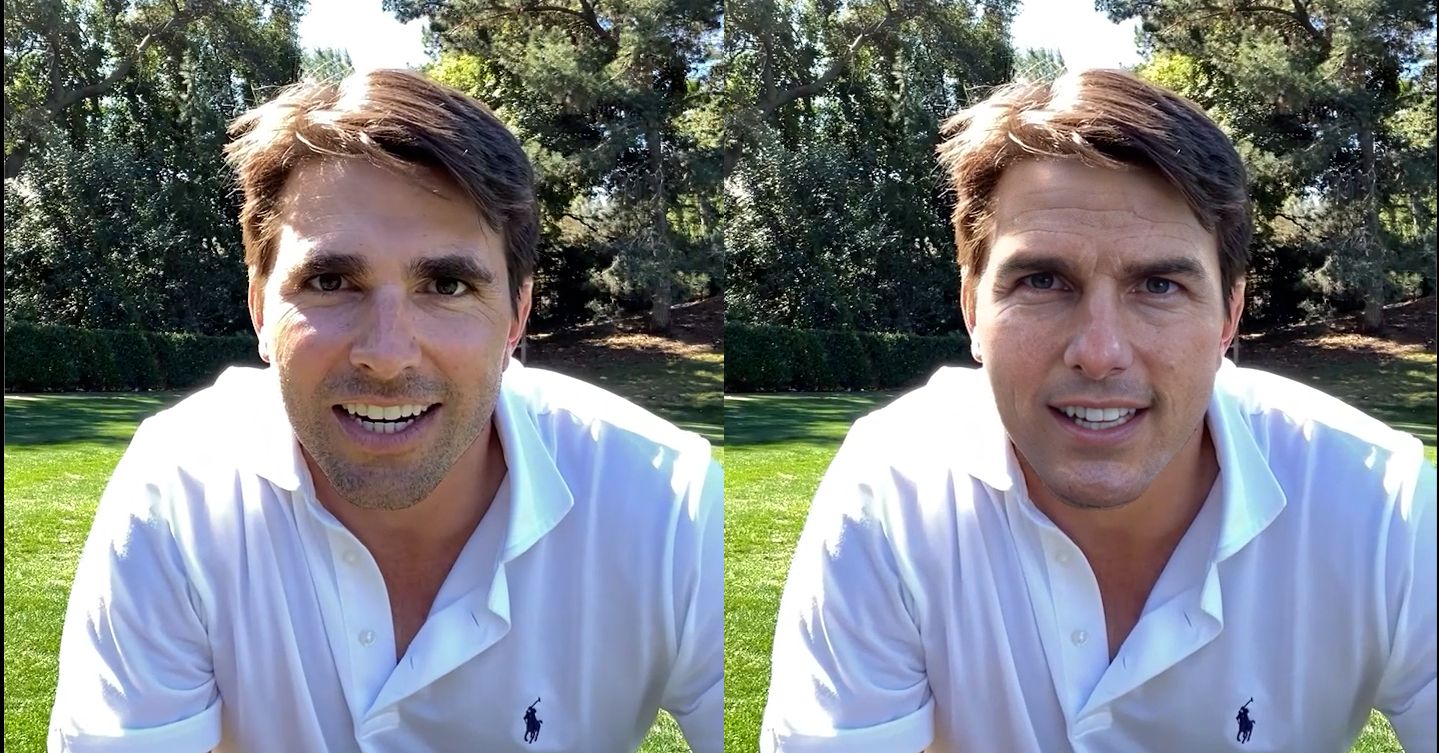
We’ve already seen AI crank out eerily realistic political videos and celebrity clips. Some require no special prompt, just a button press. Remember Grok’s accidental topless Taylor Swift deepfake? Yeah, that slipped through guardrails without anyone asking for it. If AI can hallucinate reality without permission, how long before the internet itself feels like a minefield? | 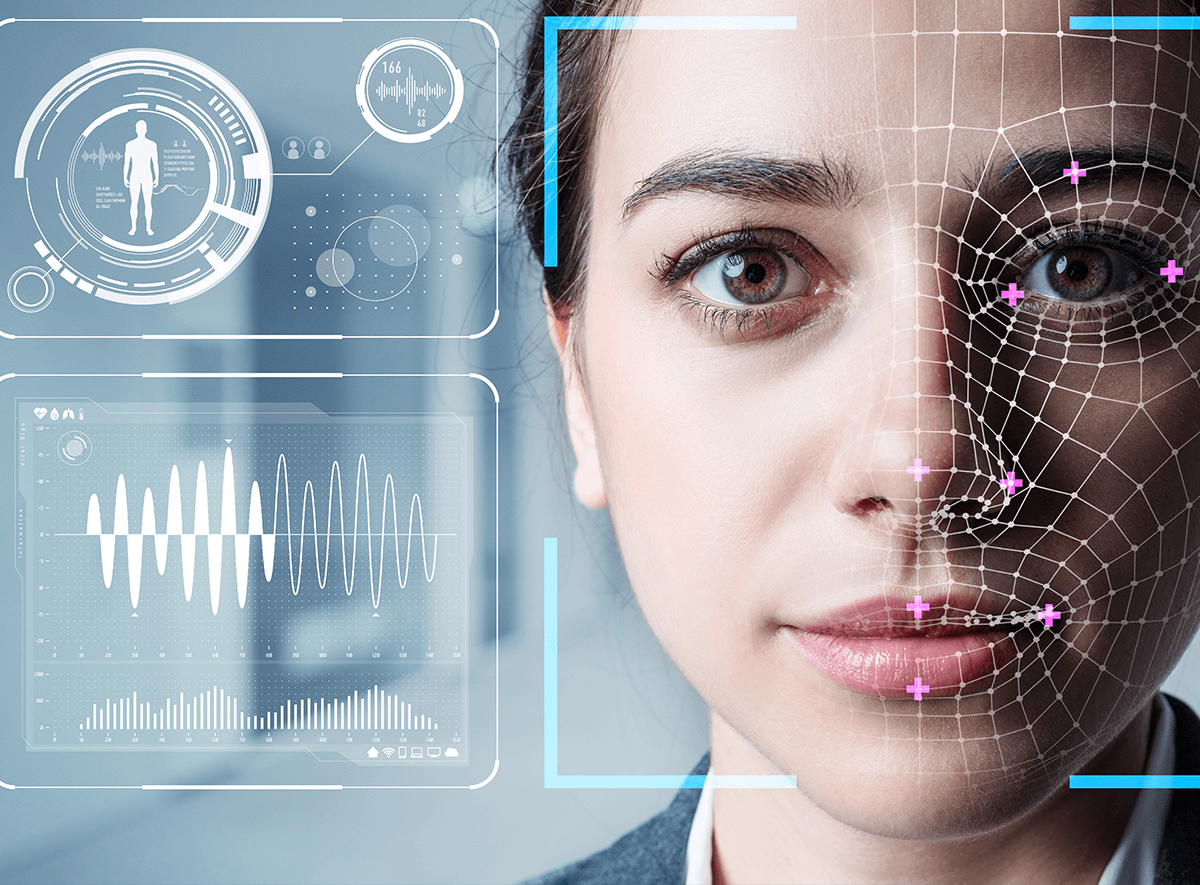 |
📰 News You Can’t Trust
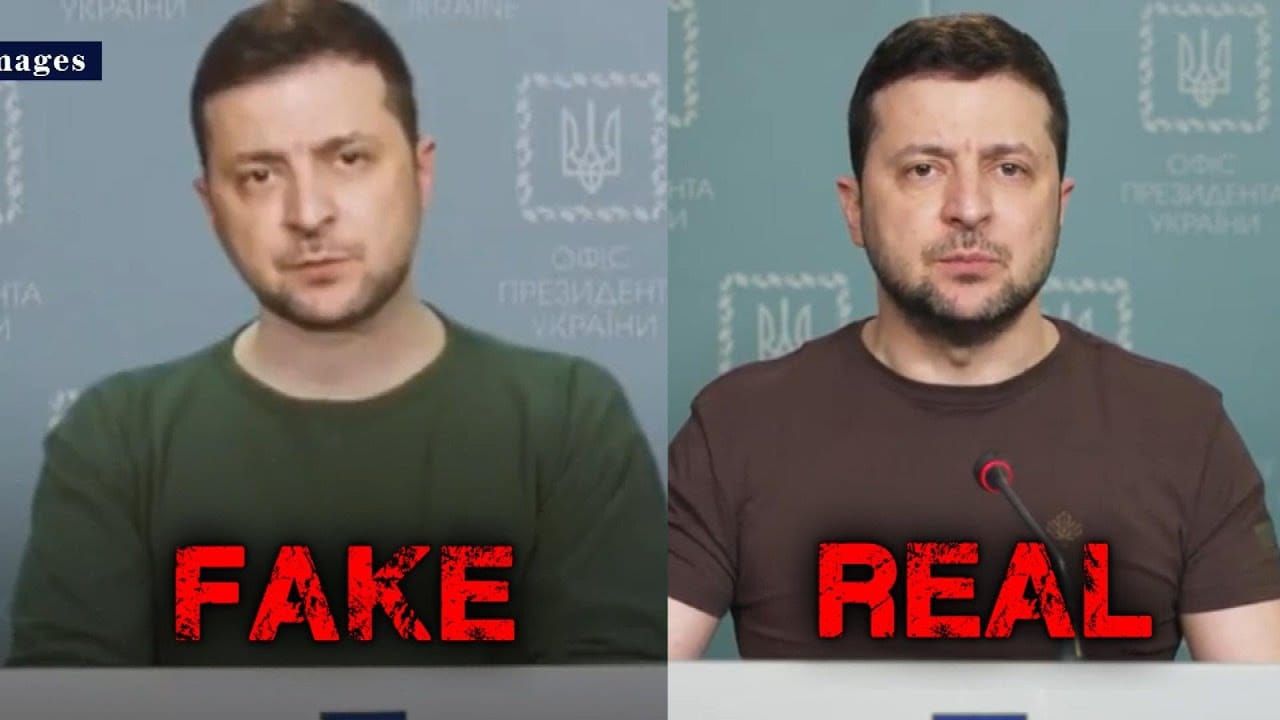
Deepfake of Zelenskyy Tells Ukrainian Troops to Surrender
Deepfake campaigns aren’t just about celebrity scandal, they’re creeping into politics, finance, and even war. Imagine an AI-crafted video of a world leader declaring war, or a stock CEO announcing bankruptcy. By the time fact-checkers catch up, billions could be lost, and trust may never recover.
🩺 The Rise of Medical Deepfakes
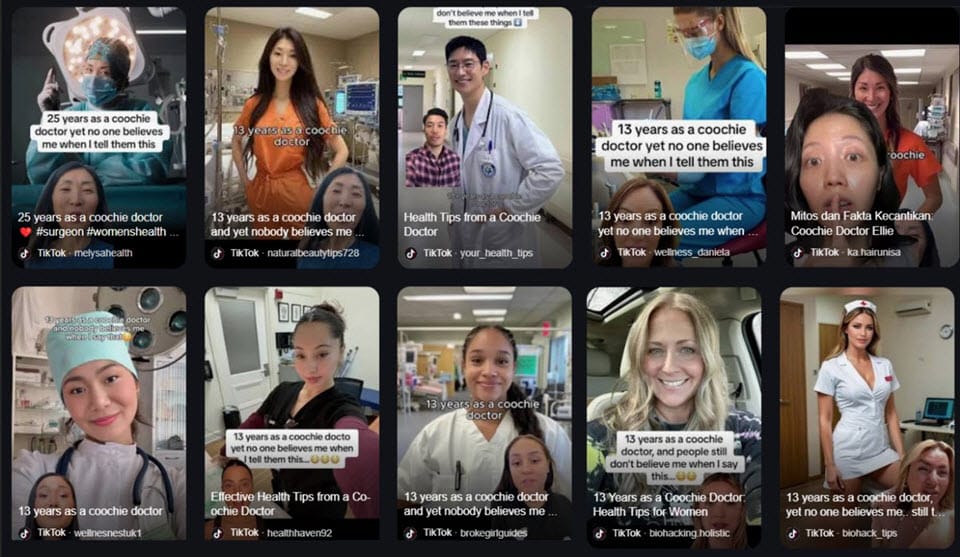
Imagine logging into a telehealth appointment and seeing a trusted doctor on screen, giving you advice about medication. Except… that doctor isn’t real. It’s an AI-generated clone, borrowing their face and voice without consent. To the average patient, it looks and sounds authentic, but it could be delivering harmful misinformation.
A CBS News investigation uncovered dozens of social media accounts with over 100 AI-generated deepfake videos featuring individuals impersonating doctors to promote questionable health products. These videos, mostly found on TikTok and Instagram, often used either entirely fabricated “doctor” personas or manipulated the likenesses of real physicians to market items like dubious beauty treatments or weight-loss supplements, including claims of being “96% more effective than Ozempic.”
⚖️ The Pros & Cons of AI Getting Too Real
✅ Pros
Creative Superpowers – Filmmakers, musicians, and game devs can create lifelike worlds and performances without million-dollar budgets. Indie studios suddenly get blockbuster tools.
Accessibility – AI can generate voices for people who’ve lost theirs, or create visual content for those who can’t. It can preserve culture, language, even memories.
Efficiency Everywhere – Businesses can test ideas, ads, or prototypes using hyper-realistic AI content before committing resources. Cheaper, faster, smarter.
Education & Training – Hyper-realistic simulations help doctors, pilots, and soldiers train in safe but believable environments.
❌ ConsTrust Meltdown – If anyone can fake a video of a president declaring war, how do we know what’s real? Politics, journalism, even friendships could spiral into mistrust.
Weaponized Lies – Deepfakes already fuel scams, fraud, and misinformation. The better they get, the harder it becomes to catch them before damage is done.
Emotional Manipulation – Our brains believe what they see and hear. Even knowing something’s fake doesn’t stop the emotional hit. That makes people easy to exploit.
Erosion of Consent – From celebrity deepfakes to personal impersonation, AI can hijack someone’s likeness or voice without permission. Who owns “you” in a digital world?
⚖️ What Happens Next?
Some countries (like Denmark) are already giving citizens copyright over their faces and voices. Big Tech is racing to build watermarking systems, while startups are selling “deepfake detectors” like antivirus software. But detection will always be playing catch-up, the fakes are learning faster than the filters.
🤔 The Big Question for Us
AI isn’t just automating tasks anymore, it’s rewriting trust. Maybe the real singularity won’t be machines outsmarting us, but machines making us doubt what we see, hear, and feel.
What happens to culture, journalism, politics, and even friendships when reality itself feels optional?
Until next time, Leave a comment! Let me know what I can do better or what topic you want me to talk about next!
Reply